
Your child’s dentist just said “fluoride treatment,” and now you’re scrolling through ten open tabs at bedtime. Some sources call fluoride a proven cavity fighter. Others say kids don’t need it. Here is the short answer: fluoride varnish can cut cavities by up to 43 percent in permanent teeth and 37 percent in baby teeth. That number comes from a Cochrane review of trials across 13 countries. The treatment takes about two minutes, causes no pain, and costs far less than a single filling.
Dr. Sarah T. Silverstein, a board-certified pediatric dentist at La Mesa Pediatric Dentistry, applies fluoride varnish during routine checkups for children in La Mesa. She follows current AAPD guidelines and adjusts the schedule based on each child’s cavity risk.
Key takeaways for parents
- Fluoride varnish cuts cavities by 37 to 43 percent in clinical trials, depending on whether the teeth are primary or permanent.
- Most children need fluoride varnish at least every six months; higher-risk children benefit from treatments every three to four months.
- Dentists can start fluoride varnish once the first tooth appears, usually around 6 months of age.
- Dental fluorosis, the main safety concern parents ask about, comes from swallowing too much fluoride during early childhood, not from varnish at the dental office.
- Call La Mesa Pediatric Dentistry at 619-303-8342 to schedule your child’s next preventive visit.
What is a professional fluoride treatment?
A professional fluoride treatment puts a strong varnish right on your child’s teeth. The varnish holds about 22,600 parts per million of fluoride. Regular toothpaste holds only 1,000 to 1,500 ppm. That stronger contact helps fluoride soak into enamel and begin making it harder within hours.
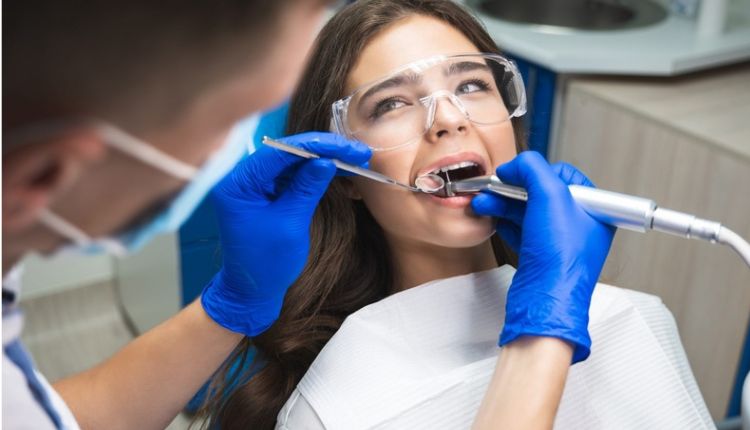
The dentist or hygienist dries the teeth with gauze, then paints the varnish onto all tooth surfaces with a small brush. The process takes one to two minutes. Most children barely notice.
Some varnishes come in child-friendly flavors like bubblegum or watermelon. These flavors help younger kids stay calm during the treatment.
Fluoride varnish sticks to the tooth and hardens when it touches saliva. Children do not swallow it the way they might swallow a rinse or foam. The AAPD and the American Academy of Pediatrics both endorse this type of fluoride for children once the first tooth comes in.
How fluoride protects children’s teeth
Fluoride works in two ways, and both matter for cavity prevention. Before teeth break through the gums, fluoride from water and food enters enamel as it forms. This makes the enamel denser and harder for acid to damage. After teeth come in, fluoride works on the surface. It pulls calcium and phosphate from saliva back into weak spots, a process dentists call remineralization.
Every time a child eats something sugary, mouth bacteria make acid. That acid pulls minerals out of enamel. Without enough fluoride, more mineral leaves the tooth than returns. Over months, that gap becomes a cavity.
The ADA notes that fluoride varnish also slows how fast bacteria can make acid. For children with deep molar grooves, past fillings, or uneven brushing habits, varnish fills the gap between what toothpaste alone can do and what those teeth really need.
Children’s teeth are also less dense than adult teeth. The enamel on a newly erupted molar has not yet fully hardened, which makes it more vulnerable to decay during its first two to three years in the mouth. Fluoride varnish gives those new teeth an extra layer of protection while they finish forming.
Is fluoride safe for children?
Fluoride varnish is safe for children of all ages, starting from the first tooth. The U.S. Preventive Services Task Force gives it a grade B recommendation for children from first tooth eruption through age five. The ADA, the AAPD, and the AAP all endorse it.
The concern most parents raise is dental fluorosis. Fluorosis happens when a child swallows too much fluoride while adult teeth still form under the gums. That window closes around age eight. Fluorosis shows up as faint white lines or spots on the teeth. The ADA calls most U.S. cases mild and purely cosmetic. It does not weaken teeth or cause pain.
Professional varnish does not raise fluorosis risk in any meaningful way. Each treatment uses a tiny amount, and the varnish sticks to teeth rather than entering the stomach. Trials at the intervals dentists use find no adverse effects. Parents who worry about fluoride can ask their pediatric dentist to walk through the exact amount used and how it compares to what a child gets from water and toothpaste.
What raises the risk of fluorosis?
The most common cause is children swallowing toothpaste over months during early childhood. The ADA suggests a rice-grain smear of toothpaste for kids under three and a pea-sized amount for ages three to six. Teaching your child to spit rather than swallow after brushing is the single most effective step.
San Diego County tap water holds fluoride at roughly 0.7 parts per million. That level matches the U.S. Department of Health and Human Services goal for cavity prevention. Families who rely on bottled or filtered water may get less fluoride at home, which can make professional treatments at the dental office even more valuable.
How often does your child need a fluoride treatment?
It depends on cavity risk. The AAPD says children at moderate risk should get fluoride varnish at least twice a year. Children at higher risk, including those with past cavities, heavy plaque, or deep molar grooves, benefit from varnish every three to four months.
Risk changes as children grow. A toddler with no decay may become a higher-risk child at age six or seven when new permanent molars arrive with deep pits and grooves. Children who snack often, drink juice between meals, or have trouble brushing on their own also tend to face higher risk. A pediatric dentist checks risk at every visit and adjusts the fluoride plan over time.
The evidence supports this approach. In 2024, the CDC’s Task Force on Community Preventive Services looked at data from over 60,000 students across multiple countries. School-based fluoride varnish programs cut cavities by 32 percent in permanent teeth and 25 percent in baby teeth. Based on those numbers, the task force endorsed the programs for schools nationwide.
What to expect during a fluoride treatment
The treatment adds one to two minutes to a regular dental checkup. The dentist or hygienist dries the teeth with gauze, then paints the varnish onto every surface with a small brush. The varnish may feel slightly sticky and have a yellow tint at first. Both go away quickly.
The coating hardens fast once saliva touches it. Your child can eat soft, lukewarm foods right after. Avoid hot food and drinks for a few hours. Most dentists suggest waiting until the next morning to brush the teeth.
There are no needles, no numbing, and no discomfort. Children who feel nervous about dental visits handle this treatment well because the process is so quick. Many kids say it is the easiest part of their checkup.
Parents can stay in the room during the treatment. Holding a younger child on your lap while the dentist paints the varnish is common and often makes the visit smoother for everyone.
Fluoride is one layer of cavity prevention
Fluoride varnish lowers cavity risk, but it does not remove it on its own. Children still need to brush twice a day with fluoride toothpaste, floss once they have teeth that touch, limit sugary snacks, and visit their dentist for regular checkups.
Dental sealants add another layer of protection. Sealants cover the grooves on molars where most childhood cavities begin. When a pediatric dentist combines fluoride, sealants, and routine cleanings, the chance of cavities drops even further. La Mesa Pediatric Dentistry offers both fluoride treatments and dental sealants during preventive visits.
What happens at home between visits matters just as much. Drinking fluoridated tap water, using the right amount of fluoride toothpaste, and keeping sugary snacks to set meal and snack times rather than grazing through the day all help keep enamel strong. Ask your child’s dentist which toothpaste strength and amount works for your child’s age group.
Fluoride treatments for children in La Mesa, CA
Dr. Sarah T. Silverstein, DMD, MPH, checks each child’s cavity risk and builds a fluoride schedule around their individual needs. Whether your child has never had a cavity or is already at higher risk, the preventive plan starts with a thorough assessment at the first visit. Her office serves families across La Mesa, El Cajon, Santee, and the surrounding areas of San Diego’s East County.
La Mesa Pediatric Dentistry is at 6080 Lake Murray Blvd, Suite A, La Mesa, CA 91942. The office is open Monday through Friday, 8 a.m. to 5 p.m. Payment options include Cherry financing, and the office works with most dental insurance plans.
To book your child’s next preventive visit, call La Mesa Pediatric Dentistry at 619-303-8342 or visit the online scheduling page.