

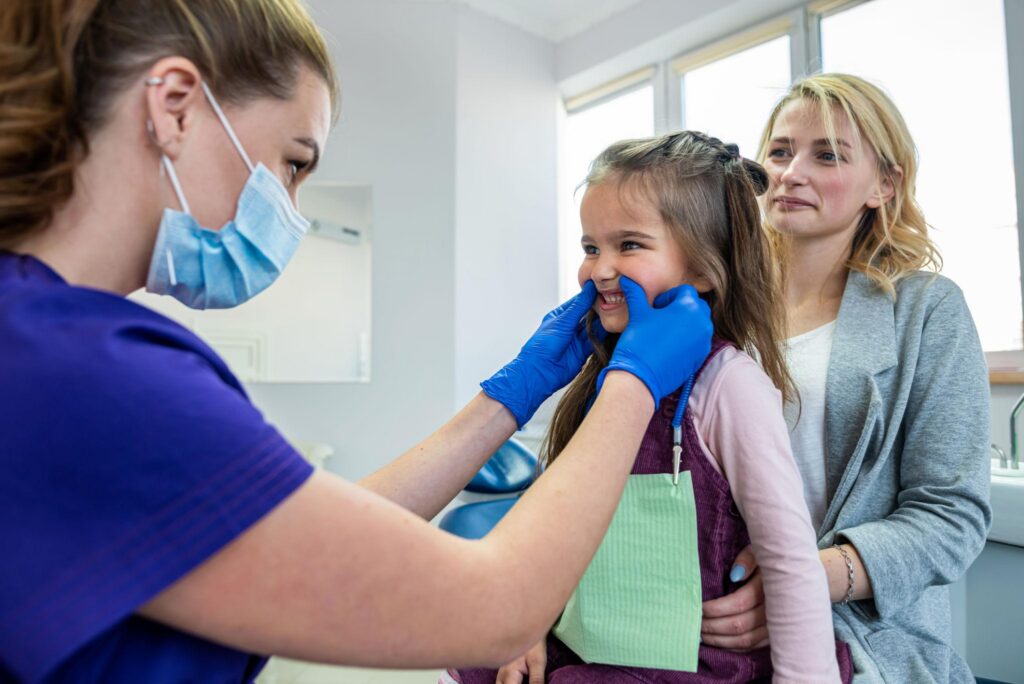
When your child experiences a dental emergency, it can feel overwhelming and frightening in the moment. Whether it is a knocked out tooth during a soccer game, a sudden toothache in the middle of the night, or a chipped front tooth after a playground accident, parents often have one big question: “What should I do right now?”
Knowing how to respond quickly and calmly can make a major difference in protecting your child’s smile and comfort. In many situations, the first few minutes after an injury are critical. Fast action can reduce pain, prevent infection, and sometimes even save a tooth.
At La Mesa Pediatric Dentistry, families often ask about the best ways to handle urgent dental situations before they can get into the office. This guide explains the Most Common Dental Emergencies for Kids, how parents should respond, and when it is important to seek immediate professional care.
Understanding Pediatric Dental Emergencies
Children are naturally active. They run, jump, climb, play sports, and explore their world constantly. Because of this, dental injuries are fairly common during childhood. Some emergencies involve trauma to the teeth or gums, while others involve infections or severe pain.
A pediatric dental emergency is any situation involving your child’s teeth, gums, or mouth that requires prompt attention to stop pain, save a tooth, control bleeding, or prevent long term complications.
The good news is that many emergencies can be managed successfully when parents know the proper first aid steps.
Most Common Dental Emergencies for Kids
Parents are often surprised by how many different situations qualify as pediatric dental emergencies. Some may seem minor at first but can become more serious without treatment.
Knocked Out Tooth
One of the most alarming emergencies is a tooth that has been completely knocked out. This is more common in school age children and teenagers involved in sports or playground activities.
If the knocked out tooth is a permanent tooth, immediate action is extremely important. Carefully pick up the tooth by the crown, which is the visible chewing portion, and avoid touching the root. If the tooth is dirty, gently rinse it with milk or clean water without scrubbing.
If possible, place the tooth back into the socket and have your child bite gently on gauze or a clean cloth. If reinserting the tooth is not possible, place it in milk or a tooth preservation solution and contact your La Mesa Pediatric Dentist immediately.
If the knocked out tooth is a baby tooth, do not attempt to place it back into the socket. This could damage the developing permanent tooth underneath.
Chipped or Broken Tooth
Children frequently chip teeth during sports, falls, or rough play. Sometimes the damage is cosmetic, but in other situations the break can expose the sensitive inner layers of the tooth.
Rinse your child’s mouth gently with warm water and use a cold compress on the face to reduce swelling. Save any broken tooth fragments if possible. Even small chips should be evaluated because sharp edges can irritate the tongue and cheeks, and larger fractures may require restorative treatment.
Severe Toothache
A persistent or severe toothache can signal infection, deep decay, trauma, or inflammation inside the tooth.
Parents should rinse the mouth with warm salt water and gently floss around the area to ensure food debris is not trapped between the teeth. Avoid placing aspirin directly on the gums because it can irritate the tissue.
If pain is significant or accompanied by swelling or fever, seek professional dental care right away. The Importance of Immediate Dental Care becomes especially clear with dental infections, which can spread quickly in children.
Dental Abscess or Swelling
An abscess is a serious infection that forms near the root of a tooth or in the gums. Symptoms may include swelling, fever, bad taste in the mouth, facial tenderness, or a small bump on the gums.
This type of emergency should never be ignored. Infections in the mouth can spread to other areas of the body if left untreated.
Parents should contact a provider offering Emergency Pediatric Dental Care in La Mesa immediately if swelling develops around the face, gums, or jaw.
Loose or Displaced Tooth
Sometimes a tooth is pushed out of position after trauma but not completely knocked out. A tooth may appear tilted, partially moved, or loose.
Do not force the tooth back aggressively. Apply a cold compress and contact your pediatric dentist as soon as possible. Prompt treatment can help stabilize the tooth and improve the chances of long term success.
Bitten Lip, Tongue, or Cheek
Soft tissue injuries are common among younger children. While these injuries often bleed heavily at first, many can be controlled at home with proper first aid.
Clean the area gently with water and apply pressure using clean gauze or cloth. Ice or a cold compress can help reduce swelling and discomfort. If bleeding continues after 10 to 15 minutes of pressure, medical or dental evaluation may be necessary.
Lost Filling or Crown
Although less common in younger children, fillings or crowns can occasionally come loose. If this happens, keep the restoration if possible and contact your pediatric dentist for instructions.
Leaving the tooth exposed may increase sensitivity or discomfort, especially when eating or drinking.
The Importance of Immediate Dental Care
Many parents wonder whether they should wait to see if symptoms improve on their own. Unfortunately, delaying treatment can sometimes turn a manageable issue into a much larger problem.
The Importance of Immediate Dental Care cannot be overstated when it comes to pediatric dental emergencies. Quick treatment may help:
Preserve a permanent tooth
Reduce the risk of infection
Prevent additional damage
Minimize pain and discomfort
Improve healing outcomes
Protect developing teeth and oral structures
Children’s mouths are constantly growing and changing. Injuries that affect baby teeth can sometimes impact the permanent teeth developing underneath. Early evaluation helps identify hidden problems before they worsen.
Fast action is particularly important when swelling, bleeding, or trauma are involved.
What to Do if Your Child Experiences a Dental Emergency
Parents often panic during emergencies, but staying calm helps children feel safer and allows you to make better decisions. Knowing basic first aid steps ahead of time can make a huge difference.
Stay Calm and Reassure Your Child
Children often mirror the emotions of adults around them. If parents remain calm and comforting, children are more likely to cooperate and feel secure during the situation.
Speak gently and explain that you are going to help them feel better.
Assess the Situation
Determine the source of pain or injury. Check for bleeding, swelling, broken teeth, or missing teeth. If there is facial trauma, difficulty breathing, or possible head injury, seek emergency medical care immediately.
Control Bleeding
Apply gentle pressure with gauze or a clean cloth. Minor bleeding often slows within several minutes. Persistent bleeding requires prompt professional evaluation.
Reduce Swelling
Cold compresses placed on the outside of the face can help minimize swelling and discomfort. Apply for about 15 to 20 minutes at a time.
Preserve Teeth or Tooth Fragments
If a permanent tooth has been knocked out or broken, preserving the tooth properly can improve treatment success. Milk is often one of the best temporary storage options until you can reach the dentist.
Contact Your Pediatric Dentist Quickly
Even if the injury appears minor, it is wise to call your pediatric dental office for guidance. Many dental injuries involve hidden damage that may not be immediately visible.
Creating a Pediatric Dental Emergency Kit
One smart step for parents is assembling a simple dental emergency kit at home or in the car. Having supplies readily available can reduce stress during urgent situations.
Your kit may include:
Gauze
Disposable gloves
Small container with lid
Dental floss
Cold packs
Children’s pain reliever
Salt packets
Contact information for your pediatric dentist
A tooth preservation solution can also be helpful for families with active children involved in sports.
Preventing Pediatric Dental Emergencies
While not every accident can be avoided, many dental injuries are preventable with proper precautions.
Encourage Mouthguard Use
Custom or sports mouthguards help protect teeth during athletic activities. This is one of the most effective ways to reduce sports related dental injuries.
Childproof the Home
For toddlers and younger children, simple safety measures such as cushioning sharp corners and supervising climbing activities can reduce falls and mouth injuries.
Maintain Regular Dental Visits
Routine exams help identify weak teeth, cavities, or bite issues that may increase injury risk. Preventive care plays a major role in reducing emergencies over time.
Promote Healthy Habits
Discourage chewing on hard objects such as ice, pens, or hard candies. These habits can increase the risk of cracked or broken teeth.
When to Go to the Emergency Room
Some situations require immediate medical attention in addition to dental care.
Parents should seek emergency medical help if their child experiences:
Difficulty breathing
Uncontrolled bleeding
Suspected jaw fracture
Loss of consciousness
Severe facial swelling
High fever with swelling
Head or neck trauma
A pediatric dentist can often manage dental injuries, but certain emergencies involve broader medical concerns that require hospital evaluation.
Helping Children Feel Comfortable During Dental Emergencies
One challenge with Pediatric Dental Emergencies in La Mesa is managing fear and anxiety. Children who are already in pain may feel frightened about receiving treatment.
Parents can help by remaining positive and avoiding alarming language. Instead of saying, “This is really bad,” try reassuring phrases such as, “The dentist is going to help your tooth feel better.”
Pediatric dental offices are specifically designed to help children feel safe and comfortable during stressful situations.
Emergency Pediatric Dental Care in La Mesa
When an emergency happens, families want fast, compassionate care from a trusted provider who understands children’s unique needs.
Emergency Pediatric Dental Care in La Mesa focuses on rapid evaluation, pain relief, and treatment that protects both baby and permanent teeth. Pediatric dentists receive specialized training in treating young patients and managing dental trauma in growing mouths.
A trusted La Mesa Pediatric Dentist can guide parents through emergencies while helping children feel calm and supported throughout the process.
Pediatric Dental Emergencies in La Mesa
Families dealing with Pediatric Dental Emergencies in La Mesa should remember that acting quickly often leads to the best outcomes. Whether your child has a severe toothache, broken tooth, swelling, or sports injury, prompt professional care can help preserve their smile and reduce long term complications.
Dental emergencies rarely happen at convenient times, but being prepared helps parents respond with confidence. Understanding the Most Common Dental Emergencies for Kids and learning What to Do if Your Child Experiences a Dental Emergency can make all the difference during stressful moments.
At La Mesa Pediatric Dentistry, helping children maintain healthy smiles through preventive and emergency care is always a priority. Knowing when and how to seek immediate treatment gives parents peace of mind and helps children recover more comfortably after unexpected dental injuries.